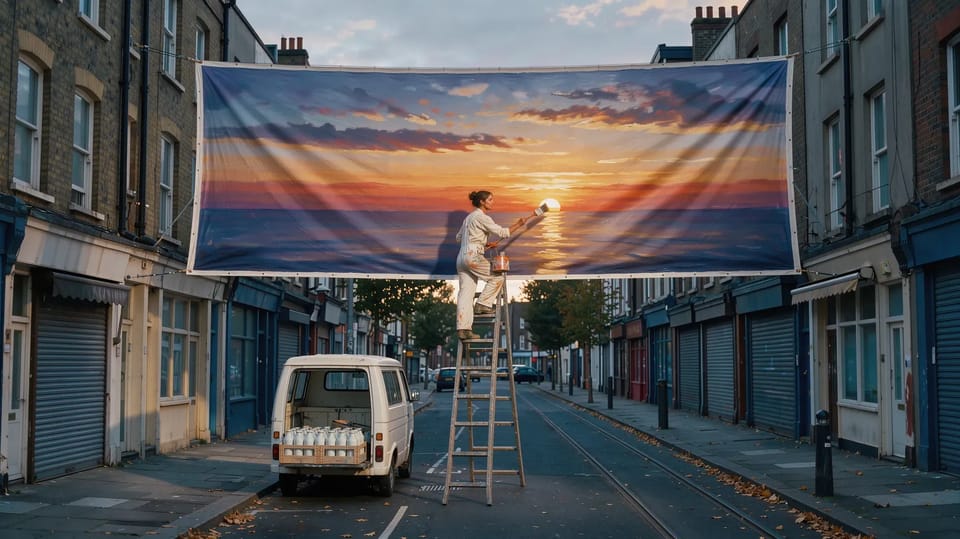
A short film is a lot of shots that have to agree with each other: the same person, the same place, light that matches from one cut to the next. Generate them one at a time and they drift apart.
The Agent in Create plans a film the way a production would: the people and places first, then a storyboard, then the shots, and it stops for you to check each stage before the next one spends anything.
It asks first
Give it a thin brief and it won’t guess what only you know. It asks up to three questions, each with options to tap and room to write your own. Then it pitches two or three directions, writes the one you pick shot by shot, and asks for photos of anything real, like your product or your actor. If you’d rather skip all that, say “just make it”.
References
The plan starts with references: one image for each character, location, prop or look the film needs, each made to a fixed recipe (a character on a plain grey studio background, for one). Every shot is made with these, so they look the same throughout.

Full-body character reference of Inês, a Portuguese woman in her seventies who delivers the post by rowing boat: small and wiry, deep laugh lines, silver hair in a low bun, gold-rimmed glasses, a navy postal jacket and cap, a canvas mail bag across her body, rolled navy trousers, white canvas shoes. Standing straight facing the camera on a plain light grey studio background, even soft light.
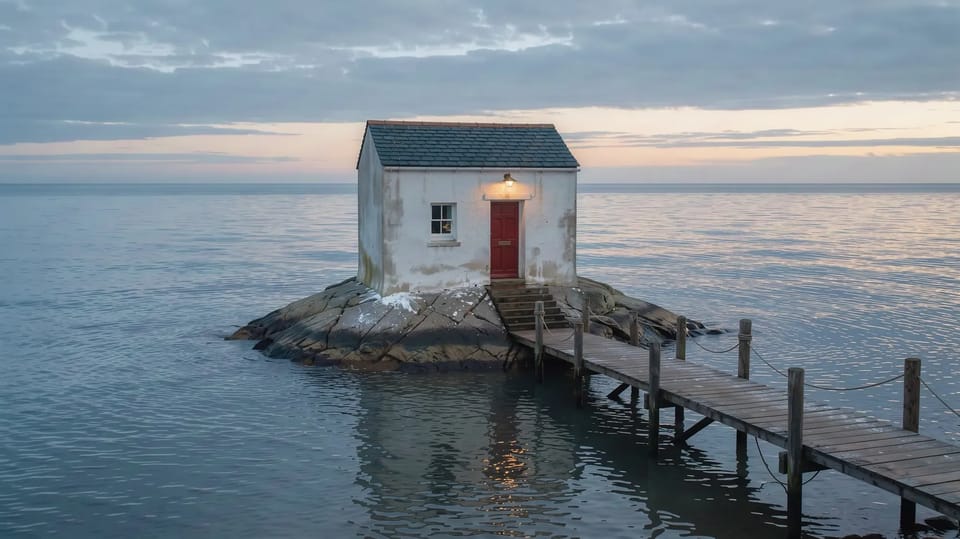
When they’re in, the card says “Check the references”. Make any of them again, then approve. They’re kept as Elements to use again unless you untick it.
The storyboard
Next comes a keyframe for every shot, made from the references. This is the film before the costly part, and it’s much cheaper to fix a frame than a clip.
The shots, checked
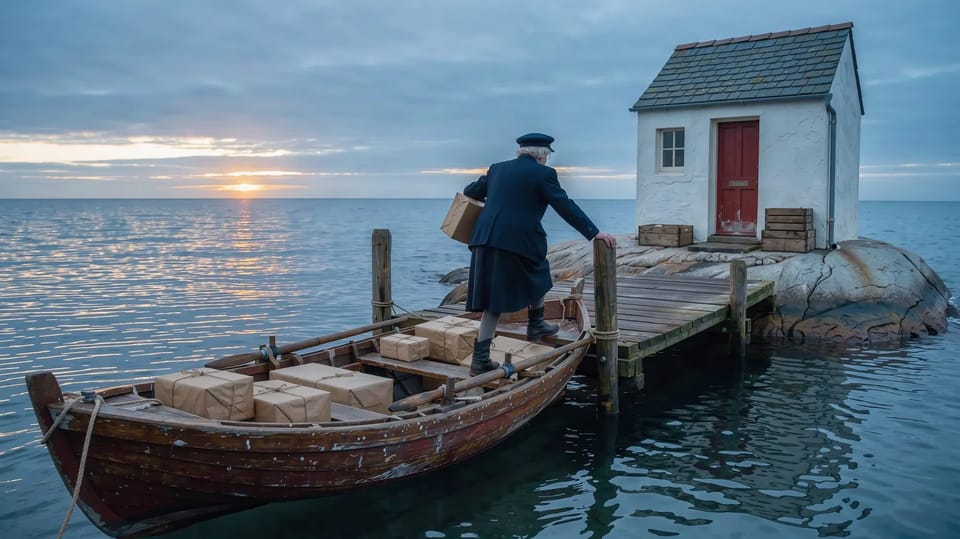
Then each shot is made from its keyframe, or carries on from the last frame of the shot before. As each one lands, it’s looked at against its references; one that drifts is made again once with what was off. You can make drafts on a cheaper model first and press Make the finals when the cut works.
Fix it in the frame, not in the clip.
Nothing runs until you approve the plan, and the card says the most it can spend before you do. It carries on with the tab closed, tells you when a stage is ready, and can end with an edit of the shots that worked.
Open Create and give the Agent a one-line film. Answer its questions, and check the references properly. Everything after depends on them.